

Across the world, millions of children grow up without stable parental care. In the Kingdom of Eswatini, this reality has shaped an entire generation.
Many of these children are described using a term commonly used by international organizations: orphans and vulnerable children (OVCs). The phrase refers not only to children who have lost one or both parents, but also to children living in circumstances where poverty, illness, or instability place them at significant risk.
Understanding what happens to these children, and how communities respond, is essential for anyone seeking to understand child care systems in Eswatini.
It is also part of the story behind the work of Heart for Africa and Project Canaan, a children’s home providing long-term care and stability for children who need it most.
The Reality Facing Children in Eswatini
Eswatini is a small country in Southern Africa with a population of just over one million people. Despite its size, the nation has faced profound public health and economic challenges over the past several decades.
One of the most significant factors shaping childhood vulnerability in the country has been the HIV/AIDS epidemic.
Eswatini continues to have the highest HIV prevalence rate in the world, with approximately 27% of adults aged 15–49 living with HIV, according to the World Bank.
While access to treatment has improved dramatically in recent years, the long-term impact of the epidemic has left many families under strain. As a result, a large number of children grow up without the stability that most families provide.
Roughly one in four children in Eswatini is classified as an orphan or vulnerable child (OVC). These numbers reflect a complex set of circumstances that can affect families across the country.
Why Children Become Orphans or Vulnerable
Children may fall into the category of orphans and vulnerable children for many different reasons.
Some have lost one or both parents due to illness, including HIV-related complications. Others live with relatives who may already be caring for multiple children within extended family networks.
In many cases, vulnerability is connected to economic pressures. High unemployment, rural poverty, and limited access to resources can make it difficult for families to provide consistent care.
In other situations, children may face instability due to:
- Loss of a parent or caregiver
- Chronic illness within the family
- Extreme poverty
- Family breakdown or abandonment
- Migration of parents seeking work
These circumstances do not define the children themselves. But they do create environments where additional support becomes necessary to ensure safety, education, and long-term stability.
How Children Are Cared for in Eswatini
For generations, extended family networks have played the primary role in caring for children who lose parental support.
Grandparents, aunts, uncles, and older siblings often step in to raise children within the broader family structure. This approach remains the most common form of care across the country. However, extended families themselves often face economic pressures. When multiple children need support within the same household, the challenges can quickly grow.
To help address these realities, Eswatini has established legal frameworks designed to protect children and strengthen child welfare systems.
One important step was the passage of the Children’s Protection and Welfare Act of 2012, which created stronger legal protections for children and outlined responsibilities for safeguarding their wellbeing.
Alongside family care and legal protections, a network of community programs, faith-based organizations, and children’s homes also contribute to supporting vulnerable children. These organizations often provide services such as education support, nutrition programs, healthcare access, and long-term residential care when family placement is not possible.
Together, these different layers form an ecosystem of care aimed at protecting children and helping them build stable futures.
The Challenge of Long-Term Care
Caring for vulnerable children is not only about meeting immediate needs. It also requires thinking long-term.
Children need consistent caregivers, education, healthcare, emotional support, and stable environments as they grow into adulthood. Building those systems requires significant resources, experienced leadership, and long-term commitment.
In many parts of the world, child care initiatives struggle because they are built around short-term responses to urgent needs rather than sustainable long-term models.
Ensuring stability for children over many years is one of the most complex challenges organizations working in this space must address.
Where Project Canaan Fits Within This Ecosystem
Within this broader system of care, Project Canaan represents one approach to supporting children who need long-term stability.
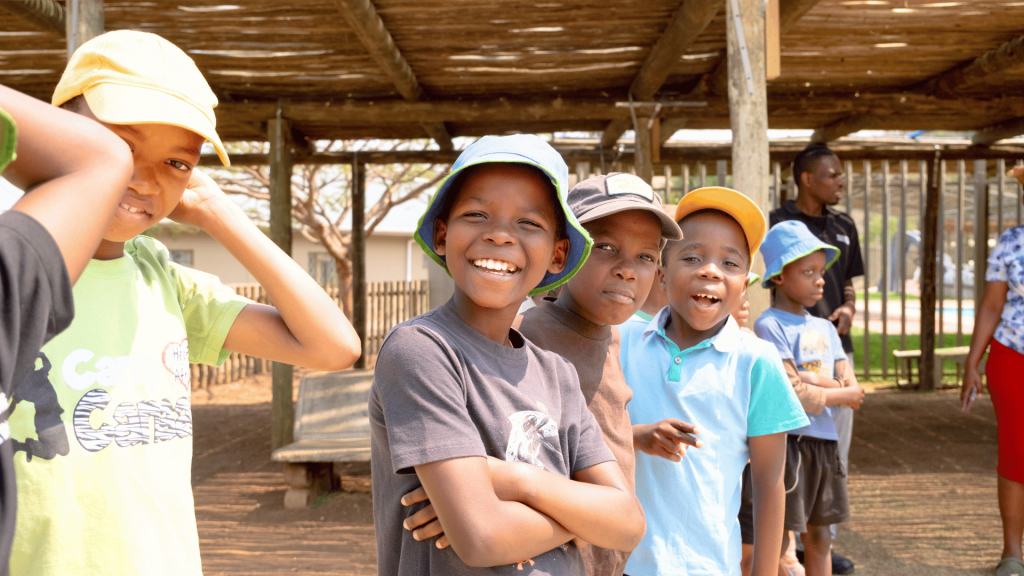
Founded by Heart for Africa, Project Canaan has established a children’s home located on a large property in Eswatini where hundreds of children are being raised in family-style homes with dedicated caregivers.
The goal is not only to provide housing, but to create an environment where children can grow within a supportive community that includes:
- Family-style children’s homes
- Education through Project Canaan Academy
- Healthcare services
- Nutritional support and food systems
- Vocational and life-skills development
This model reflects a long-term approach to care – one that focuses on stability, education, and opportunity as children grow.
It also reflects the reality that meaningful care for vulnerable children requires more than temporary solutions. It requires systems designed to support children throughout their childhood and into adulthood.
Why This Work Matters
Behind every statistic about orphans and vulnerable children are real young lives shaped by circumstances beyond their control.
The response to this reality cannot rely on one solution alone.
Family networks, community programs, legal protections, and organizations working directly with children all play a role in strengthening the systems that protect vulnerable young people.
For Heart for Africa, the work at Project Canaan is part of that larger effort.
It represents a commitment to ensuring that children who need long-term care have the opportunity to grow up in stable homes where they are known, supported, and prepared for the future.
Support the Children at Project Canaan
The children being raised at Project Canaan depend on a network of supporters who believe in long-term care and sustainable solutions for vulnerable children.
If you would like to become part of that mission, there are two meaningful ways to get involved.
Your support helps provide the housing, education, healthcare, and daily care that allow children at Project Canaan to grow in a safe and stable environment.